

EPR, ESG & India's E-Waste Rules: A Compliance Guide for Manufacturers
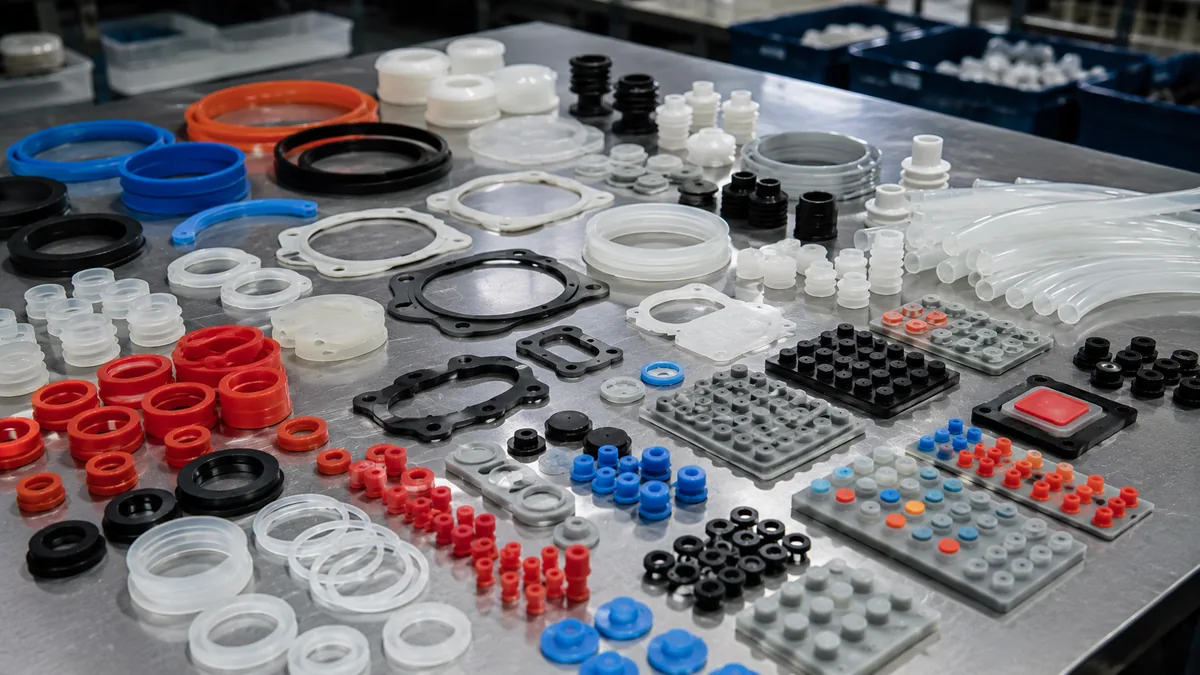
Producer-responsibility law in India is no longer a footnote. Between the E-Waste Rules 2022, the Plastic Waste Rules and a steady push toward Extended Producer Responsibility across every waste stream, manufacturers are now accountable for what happens to their material at end of life — and large buyers are starting to demand proof. Here's what that means, and how a recycling route turns the burden into an advantage.
What Extended Producer Responsibility (EPR) actually means
EPR is a simple principle with sharp teeth: the company that puts a product or material into the market is responsible for managing it at end of life — not the municipality, not the landfill, not "someone else." In practice that means registering with the regulator, meeting recycling and recovery targets, and being able to document where your waste actually went.
In India, EPR is the backbone of three overlapping frameworks: the E-Waste (Management) Rules 2022, the Plastic Waste Management Rules, and the Battery Waste Management Rules 2022. The direction of travel is one-way — more streams, tighter targets, more documentation.
India's E-Waste Rules 2022, in plain terms
The E-Waste (Management) Rules, 2022 came into force on 1 April 2023, replacing the 2016 rules. The headline changes:
- A centralised EPR regime — producers register and transact recycling obligations through the Central Pollution Control Board (CPCB) portal.
- Defined recycling targets that ratchet upward year on year.
- Accountability for covered equipment — including the silicone-bearing components inside it: insulators, keypads, seals and connector boots.
For a manufacturer, the practical upshot is that a bag of scrap headed to landfill is no longer a closed transaction. You're expected to know — and show — that covered material was handled responsibly.
The shift in one line: end-of-life handling has moved from "waste contractor's problem" to "producer's obligation." A landfill receipt is now a weak answer to a question regulators and customers are increasingly asking.
Where ESG meets the factory floor
EPR is the legal floor. ESG is the commercial ceiling — and it's rising fast. Buyers, lenders and large customers now ask suppliers to evidence responsible material handling and report on emissions, including the Scope 3 footprint of their supply chain. A vague sustainability paragraph doesn't survive that scrutiny; a documented recycling trail with real numbers does.
This is exactly where a recycling route pays back twice. It satisfies the EPR obligation, and it generates the hard data — recovered tonnage, avoided emissions — that turns an ESG report from intentions into evidence. (For the numbers behind that, see recycled vs virgin silicone and the carbon-footprint difference.)
How recycling silicone closes the loop on compliance
For any manufacturer that uses or produces silicone, the route is straightforward. Instead of paying a contractor to landfill silicone scrap, rejects and spent fluid, route them to a registered silicone recycler. What you get back is:
- A documented recovery trail — collection and reprocessing records, not a tipping receipt.
- A real circular-economy data point for EPR filings and ESG reporting.
- Recovered value — the silicone is reprocessed into industrial-grade PDMS and DMC, so the disposal cost becomes recovered material.
In other words, the same action that keeps you on the right side of the rules also turns a cost line into a recovery line. That's the rare compliance move that pays for itself.
What to do before the rules tighten further
The manufacturers who'll be comfortable in two years are the ones who set up the documentation now, while it's a choice rather than a scramble. Concretely:
- Map your silicone waste streams — scrap, rejects, spent fluid, obsolete stock.
- Segregate them from the general waste so they're recoverable, not landfill-bound.
- Route them to a registered recycler and keep the records.
- Fold the data — recovered tonnes, avoided CO₂ — into your EPR and ESG reporting.
Frequently asked questions
What is Extended Producer Responsibility (EPR) in India?
EPR makes producers responsible for the end-of-life management of the products and materials they put into the market. In India it underpins the E-Waste Rules 2022, the Plastic Waste Management Rules and the Battery Waste Management Rules — shifting the cost and accountability of recycling onto producers.
What are India's E-Waste Rules 2022?
The E-Waste (Management) Rules, 2022 came into force on 1 April 2023, replacing the 2016 rules. They run on an EPR framework: producers register on the CPCB portal, meet recycling targets and account for the end-of-life handling of covered equipment, including silicone-bearing components like insulators, keypads and seals.
How does recycling silicone help with EPR and ESG compliance?
Routing silicone scrap and end-of-life parts to a registered recycler gives a documented, traceable recovery route instead of a landfill receipt. That supports EPR obligations and provides a measurable circular-economy data point — recovered tonnage and avoided emissions — for ESG reporting.
Why should manufacturers act on EPR now rather than later?
India's producer-responsibility framework is tightening and expanding, and large buyers increasingly require suppliers to evidence responsible end-of-life handling. Setting up a documented recycling route early turns a future compliance scramble into a standing advantage — and recovers value from waste in the process.
Turn your silicone waste into a compliance asset.
Tell us what silicone scrap, rejects or spent fluid your plant produces. We'll arrange collection, reprocess it into industrial-grade silicone oil, and give you the documented recovery trail your EPR and ESG reporting needs.
Talk to us about your silicone waste