

Silicone Oil for Electrical Insulation and Heat Transfer
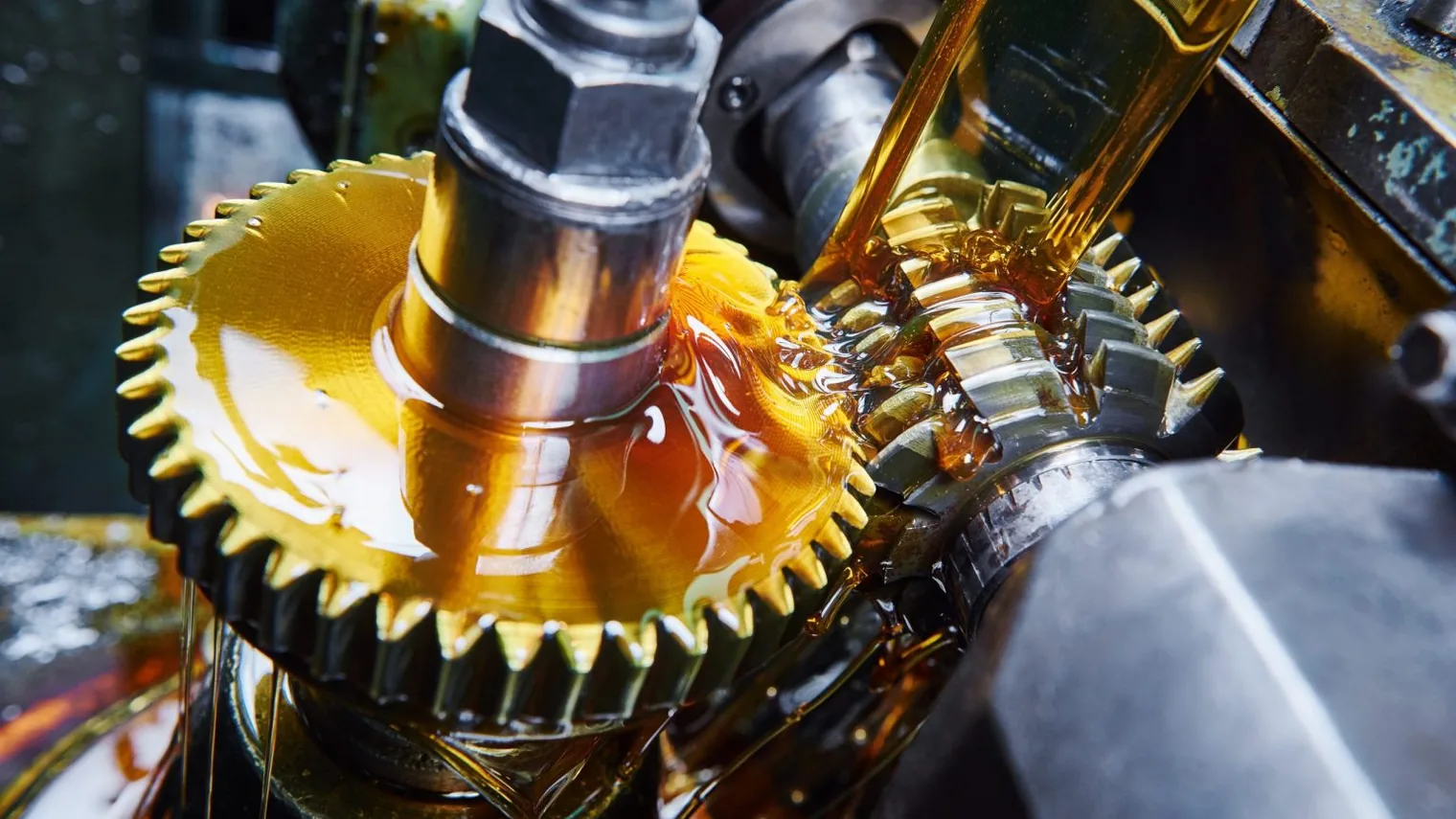
If you design or build electrical equipment, silicone oil is the fluid you reach for when a job needs both electrical insulation and thermal endurance, a combination mineral oils struggle to hold. The silicone at the centre of it is PDMS (polydimethylsiloxane). Here's what dielectric silicone fluid actually does, where it fits as an insulating, heat-transfer and damping medium, how to pick a viscosity, and how to source the base fluid in bulk in India.
Why silicone oil is used in electrical equipment
PDMS is a dimethyl silicone fluid, clear, non-polar, chemically inert and stable across a very wide temperature range. Those properties are exactly what make it useful around live components and heat. As a class, silicone fluids bring a set of characteristics that are hard to get all at once from a single mineral fluid:
- Good dielectric and insulating properties, being non-polar and inert, PDMS resists electrical conduction and is used as an insulating medium and impregnant.
- High flash and fire point, silicone fluids typically ignite at higher temperatures than mineral oil, which matters wherever fire safety is a design concern.
- Wide service temperature and thermal stability. PDMS holds its properties across a broad hot-to-cold range and resists oxidation, so it endures thermal cycling.
- Hydrophobic and moisture-repelling, it sheds water, helping protect components from moisture ingress and surface tracking.
- Low chemical reactivity, inert toward most metals and materials it contacts, so it does not attack windings, seals or housings.
A quick, honest note on scope: EcoValley supplies the base PDMS silicone fluid. We describe the dielectric and thermal properties of that fluid, we do not claim a finished product certified or approved to any specific transformer-oil or electrical standard. Where an application is regulated, the buyer or formulator qualifies the fluid against that standard.
Electrical insulation and moisture protection
Because PDMS is non-polar and inert, it works as an insulating and impregnating fluid around coils, windings and components. Its hydrophobic nature is a second benefit here: by repelling water it helps limit moisture-driven leakage and anti-tracking behaviour on component surfaces, where a thin water film would otherwise create a conductive path. In potting and encapsulation-adjacent uses, silicone fluids and the silicone chemistry around them are valued for the same reasons, thermal endurance, moisture resistance and gentleness on the parts they surround.
The deciding factor is rarely a single property, it's the combination. High fire point and thermal stability and moisture resistance and inertness, in one fluid, is what makes PDMS worth its higher cost in equipment that has to run hot, safely, for years.
Silicone oil as a heat-transfer fluid
The same thermal stability that helps insulation also makes PDMS a capable heat-transfer and heat-dissipation medium. In electrical and process equipment, a silicone fluid can carry heat away from components while staying chemically stable over long service, without the oxidation and sludging that shorten the life of many mineral fluids. Its wide usable temperature band means one fluid can cover duties that swing from cold starts to sustained high running temperatures.
For heat transfer, viscosity is the lever. Lower-viscosity PDMS flows, wets and transfers heat more readily, so it suits circulation and impregnation. Higher-viscosity grades give a more stable film but move heat less freely. That's a grade-selection decision, and it's the opposite trade-off from damping, which is covered below.
Vibration damping and mechanical uses
PDMS is also a workhorse damping fluid. Its predictable, temperature-stable viscosity makes it well suited to vibration and shock damping in dampers, instruments and mechanical assemblies, the fluid resists motion in a controlled way and keeps behaving the same across the temperature range. Here the logic flips: higher viscosity gives more damping resistance, so damping duties pull toward the top of the range while heat transfer pulls toward the bottom.
Which viscosity grade, heat transfer vs insulation vs damping
Silicone oil is specified by viscosity, in centistokes (cSt), and the right grade depends on the role:
- Lower viscosity (~90-350 cSt), flows, wets and penetrates readily; suits heat-transfer circulation, impregnation and insulating fill where the fluid must reach into windings and gaps.
- Mid viscosity (350-500 cSt), a balance of film stability and flow for general insulating and thermal duties.
- Higher viscosity (500-1000 cSt), more resistance and a more stable film; suits vibration and shock damping and applications wanting a heavier, more persistent film.
EcoValley's S201 PDMS range runs from S201-100 to S201-1000 (roughly 90 to 1100 cSt), so the grade can be matched to the duty rather than the other way round. Tell us the role, insulation, heat transfer or damping, the service temperature and how the fluid is applied, and we'll recommend a viscosity.
Does recycled PDMS work for electrical applications?
Yes, and it carries an advantage. EcoValley's PDMS is recovered from industrial silicone, but recovered PDMS is chemically the same dimethyl silicone as virgin material: same backbone, same dielectric and thermal behaviour, produced to industrial specification and certified to ISO 9001:2015, REACH and RoHS.
The difference is the carbon footprint. For equipment makers and their customers facing sustainability audits, specifying a recovered-silicone fluid is a real, documentable circular-economy story, the same performance with a lower environmental impact.
Sourcing dielectric silicone fluid in bulk in India
EcoValley manufactures PDMS silicone oil at its plant in Sonipat, Haryana and supplies industrial buyers across India in 50 kg and 200 kg barrels. Insulation and heat-transfer duties get qualified by the buyer against their own standard, so what we owe you is a fluid that does not move between deliveries and the data to qualify it with.
Tell us the grade, viscosity, service temperature and monthly volume and we'll respond with specifications, pricing and lead time.
Related: Is silicone recyclable? · How to dispose of silicone · What silicone scrap is worth · Is silicone biodegradable?
Frequently asked questions
Is silicone oil a good electrical insulator?
Yes. PDMS (dimethyl silicone oil) is non-polar and chemically inert with good dielectric and insulating properties, plus a high flash and fire point and stability across a wide temperature range. EcoValley supplies industrial-grade PDMS base fluid, which buyers qualify to their own application requirements.
What is the difference between silicone transformer oil and mineral oil?
Silicone fluid has a much higher flash and fire point, better thermal stability and better oxidation resistance than mineral oil, so it is preferred where fire risk and high temperatures matter; it is also hydrophobic and non-toxic. The trade-off is cost and higher viscosity. EcoValley supplies the base PDMS silicone fluid, not a finished standard-certified transformer oil.
Can silicone oil be used as a heat transfer fluid?
Yes. PDMS has good thermal stability and a wide usable temperature range, so it is used as a heat-transfer and heat-dissipation medium. Lower-viscosity grades transfer heat more readily; higher-viscosity grades give more film stability. EcoValley's S201 range spans roughly 90 to 1100 cSt so the grade can be matched to the duty.
Which silicone oil viscosity is used for electrical and damping applications?
For heat transfer and impregnation, lower-viscosity PDMS (about 90-350 cSt) flows and wets better. For vibration and shock damping, higher-viscosity grades (500-1000 cSt and up) give more resistance and a stable film. EcoValley's S201-100 to S201-1000 range covers both ends.
Where can I buy dielectric silicone fluid in bulk in India?
EcoValley Silicones manufactures PDMS at its plant in Sonipat, Haryana and supplies pan-India in 50 kg and 200 kg barrels, certified to ISO 9001:2015, REACH and RoHS. Share your application, service temperature and volume and we'll recommend a grade and send specs and a quote.
Need PDMS base fluid for an electrical or thermal duty?
Tell us the role, insulation, heat transfer or damping, the service temperature and how you apply it, and we'll recommend a viscosity, send the technical data sheet, and quote for bulk supply. Consistent silicone fluid, batch to batch.
Talk to us about dielectric silicone fluid