

Silicone Oil for Polishes: Shine, Slip and Water-Beading
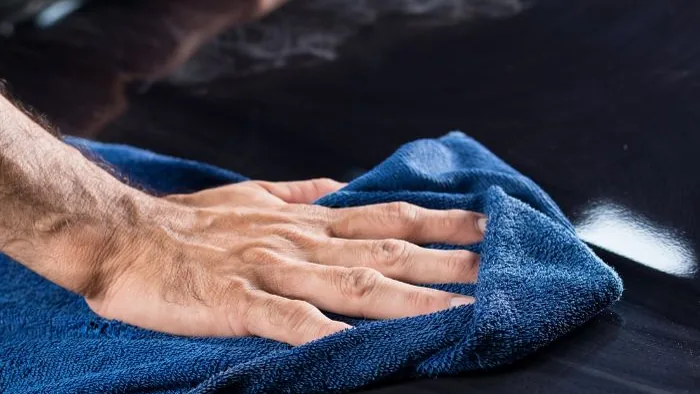
If you formulate car polish, furniture polish or metal and leather care, silicone oil is what gives your product its gloss, slip and water-beading, the deep shine, the smooth glide across the surface, and the beading that makes water run off. The silicone at the centre of it is PDMS (polydimethylsiloxane). Here's what it actually does in a polish, which viscosity to pick for which product, and how to source it in bulk in India.
What silicone oil does in a polish
PDMS is a dimethyl silicone fluid, clear, inert, non-yellowing and stable across a wide temperature range. In a polish or surface-care product it works as a thin film on the surface, and that film is responsible for most of the effects a formulator is chasing:
- Gloss and shine, the silicone film smooths out micro-texture and reflects light evenly, giving that deep, wet-look shine on paint, wood or metal.
- Slip and smooth feel, a low-friction surface means the cloth glides, the product spreads easily, and the finished surface feels silky rather than tacky.
- Water-beading and repellency. PDMS is hydrophobic, so the film makes water bead up and run off, protecting the surface from moisture and dust pickup.
- Ease of buffing, the lubricating film lets the polish level and buff off with less effort and no dragging or smearing.
- Protective film, a durable silicone layer shields the surface and helps the shine last longer between applications.
Base fluid, not a finished polish, where PDMS fits
A finished polish on the shelf is a formulation, silicone fluid, waxes or solvents, emulsifiers, and whatever the brand builds on top. Underneath almost all of them, the gloss, slip and beading come from the silicone fluid inside. Plain PDMS silicone oil is used two ways: directly, as the shine-and-slip agent, and as the base fluid formulators build their polish and emulsion around.
EcoValley manufactures industrial-grade PDMS silicone oil and DMC, the base fluids polish makers rely on, rather than finished branded polishes. If you compound your own car polish, furniture polish or metal care, that base fluid is exactly what we supply.
Rule of thumb: the brand on the bottle is marketing; the shine and the beading are the silicone fluid inside it and how it's formulated. Sourcing a consistent, spec-controlled PDMS base is what keeps your gloss and feel repeatable batch to batch.
Polish types and how PDMS behaves in each
The role of the silicone fluid shifts a little depending on what you're making:
- Car polish and tyre shine, silicone drives the wet-look gloss and the water-beading motorists expect, plus a slick, dust-shedding surface. Spray and liquid formats lean on lower-viscosity fluid; tyre dressing wants a richer, longer-lasting film.
- Furniture and wood polish, silicone gives a smooth, low-friction sheen that resists fingerprints and lets dust wipe off, without the greasy build-up of oils.
- Metal and leather care, a thin protective silicone film adds shine, repels moisture, and conditions the surface while making the next clean easier.
- Industrial surface polishes, for equipment, moulds and fixtures, silicone provides slip, release and a protective, water-repellent layer.
Which viscosity grade for polishes?
Silicone oil is specified by viscosity, in centistokes (cSt), and the right grade depends on the format and the finish you want:
- Lower viscosity (100-350 cSt), emulsifies and sprays more easily; suits spray polishes, tyre shine, aerosols and emulsion-based products where you want an even, thin film.
- Higher viscosity (500-1000 cSt), lays down a richer, more durable film and a deeper gloss; suits paste and cream polishes and finishes that need to survive handling and weather.
EcoValley's S201 PDMS range runs from 100 to 1000 cSt, so the grade can be matched to your product rather than the other way round. Tell us the format, spray, paste, cream or emulsion, and the shine and durability you're targeting, and we'll recommend a viscosity.
Does recycled PDMS work for polishes?
Yes, and it's a genuine edge for a brand right now. EcoValley's PDMS is recovered from industrial silicone, but recovered PDMS is chemically the same dimethyl silicone as virgin material: same backbone, same performance, made to industrial specification and certified to ISO 9001:2015, REACH and RoHS.
The difference is the carbon footprint. For polish and surface-care brands facing sustainability questions from retailers and export buyers, formulating on recovered silicone gives you a recovered-tonnage figure to hand them.
Sourcing silicone oil for polishes in bulk in India
EcoValley manufactures PDMS silicone oil at its plant in Sonipat, Haryana and supplies formulators across India in 50 kg and 200 kg barrels. A polish line settles on one viscosity and then needs that exact number every delivery, because shine and drag both move if it does not.
Tell us your grade, viscosity and monthly volume and we'll respond with specifications, pricing and lead time.
Related: Is silicone recyclable? · How to dispose of silicone · What silicone scrap is worth · Is silicone biodegradable?
Frequently asked questions
Which silicone oil is used in polishes?
PDMS (polydimethylsiloxane / dimethyl silicone oil) is the silicone used across polish and surface-care products. It is the base fluid that gives car polish, furniture polish and metal or leather care their gloss, slip and water-beading. EcoValley supplies industrial-grade PDMS as this base fluid, it does not make finished branded polishes.
What viscosity silicone oil is best for car polish and surface care?
Lower-viscosity PDMS (about 100-350 cSt) sprays and emulsifies easily and suits spray polishes, tyre shine and emulsions; higher-viscosity PDMS (500-1000 cSt) lays a richer, more durable film and a deeper gloss for paste and cream polishes. EcoValley's S201 range covers 100-1000 cSt so the grade can be matched to the product.
Does silicone oil make polish water repellent?
Yes. PDMS is hydrophobic, so a silicone-based polish leaves a water-repellent film that makes water bead and run off. This is the beading effect seen with car polish and tyre shine, and it helps protect the surface from moisture.
Is recycled PDMS silicone oil suitable for polishes?
Yes. Recovered PDMS shares the same dimethyl silicone backbone as virgin material, made to industrial spec and certified to ISO 9001:2015, REACH and RoHS. It delivers the same gloss, slip and repellency in a formulation with a lower carbon footprint.
Where can I buy silicone oil for polish manufacturing in bulk in India?
EcoValley Silicones manufactures PDMS at its plant in Sonipat, Haryana and supplies formulators pan-India in 50 kg and 200 kg barrels. Share your product type and target finish and we'll recommend a grade and send specs and a quote.
Need the right PDMS grade for your polish formulation?
Tell us the format and the shine you're after, and we'll recommend a viscosity, send the technical data sheet, and quote for bulk supply. Consistent silicone oil, batch to batch.
Talk to us about silicone oil for polishes