

Silicone Oil for Rubber & Plastic Processing: Lubrication, Release and Slip
On a rubber or plastics floor, silicone oil is the fluid that stops parts sticking, keeps the melt flowing and gives finished surfaces their slip. The silicone doing that work is PDMS (polydimethylsiloxane), used as an internal lubricant, an external mould release, or a slip and anti-tack agent. Here's what it does on the machine, how to pick the right viscosity, and how to source it in bulk in India.
What silicone oil does in rubber and plastic processing
PDMS is a dimethyl silicone fluid, clear, inert, thermally stable and chemically unreactive, with a very low surface tension. That last property is why it lubricates and releases so well: it wets out over a surface and forms a thin, slippery film that other materials will not stick to. In rubber and plastics it earns its place in a few distinct roles:
- External lubricant and mould release, a film of PDMS on the tool, mould or die reduces friction at the interface, so parts release cleanly and cycle times drop.
- Internal lubricant, compounded into the rubber or plastic, it improves melt flow, eases demoulding, reduces screw and machine wear, and lowers the energy needed to process a stiff compound.
- Slip and anti-tack agent, it migrates to the surface and lowers the coefficient of friction, keeping uncured rubber sheets, extrudate and plastic film from blocking or sticking to themselves.
- Processing aid and surface finish, better flow and demoulding translate into smoother, glossier, defect-free surfaces and fewer rejects.
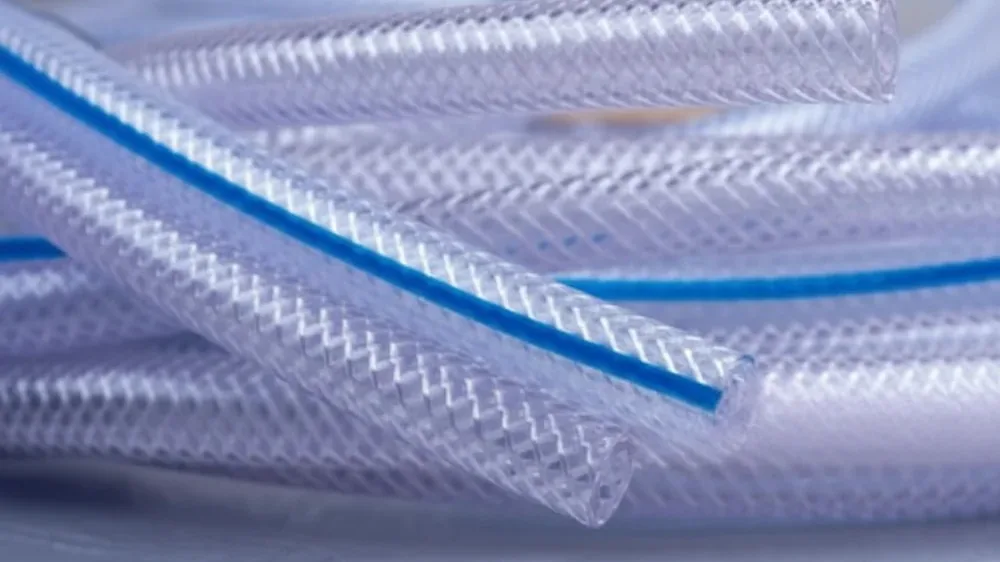
- Component lubrication, a light silicone film eases the assembly and fitment of seals, weatherstrips, grommets, hoses and rubber tubes, and reduces squeak and drag in service.
Internal vs external lubricant, where PDMS fits
The distinction matters on the floor. An external lubricant sits at the surface, sprayed, wiped or padded onto a mould or tool so the part lets go and the surface finishes clean. An internal lubricant is dosed into the compound itself, where it does two things at once: it reduces internal friction so the material flows and fills better, and it slowly migrates outward to give the finished part lasting surface slip.
PDMS silicone oil covers both. As a base fluid it can be sprayed neat as a release agent, emulsified into a water-based release, or metered into a masterbatch and compounded straight into the polymer. Which viscosity you reach for depends on which of those jobs you are doing.
Rule of thumb: external release wants a fluid that spreads thin and even; internal lubrication wants a fluid that survives the shear and heat of processing and keeps migrating to the surface afterwards. Same chemistry, different grade, and a consistent, spec-controlled PDMS base is what keeps release and slip repeatable batch to batch.
Rubber: seals, weatherstrips, tubes and tyres
Rubber processing leans on silicone oil at almost every stage. In moulding and extrusion, PDMS as an internal lubricant helps a stiff compound flow into the cavity and release without tearing. On the surface, it stops green (uncured) stock from sticking to itself, to liners and to tooling. For finished goods, seals, O-rings, weatherstrips, grommets, hoses and rubber tubes, a light silicone film eases fitment, kills squeak, and improves the feel and durability of the part in service.
Tyre and tube manufacturing is a classic use. Silicone-based lubricants and release agents let bladders, tubes and green tyres move, seat and cure without sticking to the tooling, which protects both the part and the mould. In every one of these cases the active fluid is dimethyl silicone oil, either used neat or built into a compounded release.
Plastics: slip, anti-blocking and surface effects
In plastics, PDMS is valued mostly for what it does at the surface once the part is made. Compounded into polyolefins and other resins, it migrates outward and lowers surface friction, delivering slip (easier handling, faster line speeds) and anti-blocking (film and sheet layers that separate cleanly instead of welding together). The same surface film improves gloss, mould-release, scratch and mar resistance, and can give a smoother, silkier touch to moulded parts.
As an external release, PDMS lets injection-moulded and thermoformed parts eject cleanly and reduces flow marks and drag lines. Because the fluid is inert and non-yellowing, it does these jobs without discolouring the polymer or interfering with most downstream steps, though as always, decoration or bonding operations should be trialled, since a silicone surface is deliberately low-energy.
Which viscosity grade for lubrication and release?
Silicone oil is specified by viscosity, in centistokes (cSt), and the grade should follow the job:
- Lower viscosity (100-350 cSt), spreads, wets out and emulsifies easily; suits spray mould-release, thin surface films, water-based release emulsions and fast, even coverage.
- Higher viscosity (500-1000 cSt), a heavier, more durable film that lasts more cycles and gives stronger, longer-lived lubrication and slip.
EcoValley's S201 PDMS range runs from 100 to 1000 cSt (roughly 90-1100 cSt), so the fluid is matched to your process rather than the other way round. Tell us whether you are spraying a release, running an internal lubricant, or chasing surface slip, and the substrate, and we'll recommend a viscosity.
Base fluid vs compounded release
A lot of what reaches a plant as a branded "release agent" or "slip additive" is a formulation. PDMS thinned in a carrier, emulsified in water, or blended with other additives. Underneath it is silicone fluid doing the work. EcoValley manufactures the base PDMS silicone oil and DMC that processors and formulators rely on, rather than finished branded release or slip products. If you compound your own masterbatch, mix your own release, or apply silicone oil neat, the base fluid is exactly what we supply, see the full product range.
Does recycled PDMS work for rubber and plastics?
Yes. EcoValley's PDMS is recovered from industrial silicone, but recovered PDMS is chemically the same dimethyl silicone as virgin material, same backbone, same viscosity behaviour, same release and slip performance, made to industrial specification and certified to ISO 9001:2015, REACH and RoHS.
The difference is the carbon footprint. For moulders, extruders and compounders supplying automotive, packaging and consumer brands under sustainability audits, a recovered-silicone lubricant is a documentable circular-economy story, the same processing performance at a lower environmental impact.
Sourcing silicone oil for rubber and plastics in bulk in India
EcoValley manufactures PDMS silicone oil at its plant in Sonipat, Haryana (established 2016) and supplies industrial buyers across India in 50 kg and 200 kg barrels. A processing line runs the same grade for years. What matters is that the drum in month twenty behaves like the drum in month one.
Tell us your grade, viscosity and monthly volume and we'll respond with specifications, lead time and a quote.
Related: Is silicone recyclable? · How to dispose of silicone · What silicone scrap is worth · Is silicone biodegradable?
Frequently asked questions
Which silicone oil is used for rubber and plastic processing?
PDMS (polydimethylsiloxane / dimethyl silicone oil) is the standard fluid. It works as an internal and external lubricant, mould release, and slip and anti-tack agent, used neat or compounded into the material. EcoValley supplies industrial-grade PDMS for all of these uses.
What viscosity silicone oil is best for mould release and lubrication?
Lower-viscosity PDMS (about 100-350 cSt) spreads and emulsifies easily and suits spray release and thin films; higher-viscosity PDMS (500-1000 cSt) gives a more durable film and stronger slip. EcoValley's S201 range covers 100-1000 cSt so the grade can be matched to the process.
What is the difference between an internal and external silicone lubricant?
An external lubricant like PDMS on the mould or tool cuts friction at the surface for clean release. An internal lubricant is compounded into the rubber or plastic, where it improves melt flow, reduces machine wear, and migrates to the surface for slip and anti-tack. PDMS is used both ways.
Can silicone oil be used as a slip and anti-blocking agent in plastics?
Yes. Compounded into polyolefins and other plastics, PDMS migrates to the surface, lowers friction and gives slip while reducing blocking (layers sticking together), plus better surface finish and scratch resistance. Viscosity and dosage depend on the polymer and effect.
Where can I buy silicone oil for rubber and plastic processing in bulk in India?
EcoValley Silicones manufactures PDMS at its plant in Sonipat, Haryana and supplies pan-India in 50 kg and 200 kg barrels. Share your process, moulding, extrusion or calendering, neat or compounded, and we'll recommend a grade and send specs and a quote.
Need the right PDMS grade for your line?
Tell us how you use it, release, internal lubricant or surface slip, and the material you run, and we'll recommend a viscosity, send the technical data sheet, and quote for bulk supply. Consistent silicone oil, batch to batch.
Talk to us about silicone oil for rubber & plastics