

Silicone Rubber Scrap: What It Is Worth, the HSN Code, and Who Buys It in India
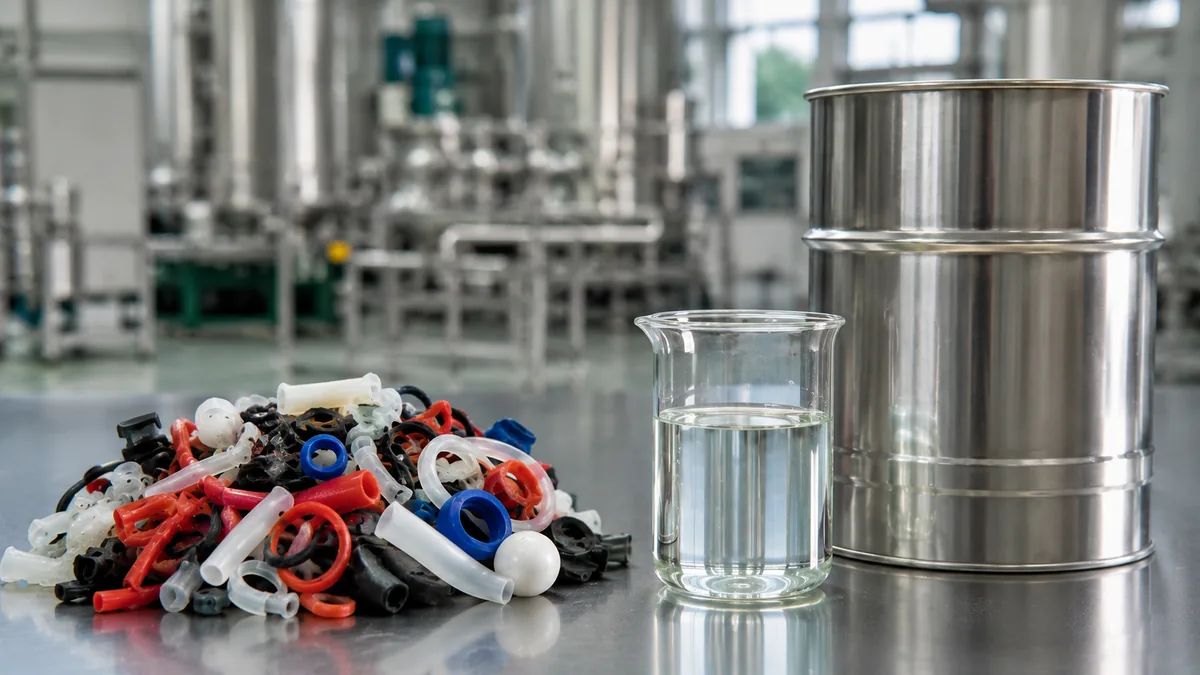
If your plant moulds, extrudes or assembles anything in silicone, you produce silicone rubber scrap every shift: flash, sprues, trim, rejects, worn tooling seals. Most of it is landfilled at a cost. It should be sold. Here is what sets the price per kg, which HSN code it files under, and what a buyer needs from you to quote.
Silicone scrap is not silicon scrap
A quick fix for a common mix-up. Silicon is the element: wafers, solar cells, metallurgical silicon. Silicon scrap is a metals market. Silicone is the polymer: rubber, sealant, oil, made from silicon, oxygen and carbon. Silicone rubber scrap is a polymer recycling market, and it is the one this guide covers. If you searched "silicon scrap price" and you have rubber offcuts, you are in the right place.
What silicone rubber scrap is worth
There is no exchange price for silicone scrap. Every published figure is a quote from one buyer for one lot, and the range is wide. The reason is that the buyer is not paying for rubber. The buyer is paying for the siloxane that can be recovered from it, and that depends on what is in the bag. Clean, single-type, unfilled cured silicone in tonnes sits at the top of the range. Mixed, contaminated or heavily filled material sits at the bottom, and some lots are worth only the saving on the landfill fee.
So the honest answer to "price per kg" is: it is set by the lot. The useful answer is what moves it.
What sets the price per kg
- Purity. Silicone only, no EPDM, no natural rubber, no PVC. One foreign rubber in the bag drops the whole lot.
- Filler content. Unfilled and lightly filled grades recover more oil per kg. Heavily filled compounds recover less, so they pay less.
- Contamination. Metal inserts, fabric, adhesive, oil and dirt all have to be removed before processing. Each one costs the buyer time and lowers the price.
- Form. Loose flash and trim is easy to process. Large moulded blocks and bonded assemblies are not.
- Colour. Less important than people think. Pigment is removed at filtration. Mixed colours are fine if everything else is clean.
- Volume and regularity. A tonne a month on a schedule is worth more per kg than a one-off pallet. Collection has a fixed cost.
- Moisture and storage. Dry, bagged, under cover. Wet scrap weighs more and pays less.
The single biggest lever: sort at source. A moulding line that keeps silicone flash in its own bin, away from the general rubber skip, produces a lot that is worth several times the mixed skip. It costs one extra bin.
Spent silicone oil counts too
Scrap is not only solid. Used process fluid, release agent, heat-transfer oil and defoamer residue are silicone fluid, and fluid is the easiest feedstock to recover: no shredding, straight to filtration and distillation. Keep it in closed, labelled drums, do not mix it with mineral oil, and note what contaminated it. Clean spent fluid can be worth more per kg than rubber.
The HSN code for silicone scrap
Silicone is classed as a plastic in the tariff, not a rubber. Silicones in primary form, including silicone oil, sit under HSN 3910. Waste, parings and scrap of plastics sit under HSN 3915, and silicone scrap is commonly filed under 3915 90 (other plastics). Silicone rubber does not go under Chapter 40, which covers natural and synthetic rubber in the tariff's own definition. Confirm the exact sub-heading and GST rate with your tax consultant before invoicing. Codes and rates change.
Who buys silicone rubber scrap in India
Three kinds of buyer, and the price follows the kind.
- Scrap dealers. Buy mixed loads by weight, sort, and sell on. Lowest price, least paperwork.
- Silicone recyclers. Process the scrap into silicone oil themselves, so they pay for recoverable content, not weight. Higher price for clean material, and a manifest you can put in front of an auditor. EcoValley is one: we recover silicone waste into PDMS and DMC at our own plant.
- Exporters. Aggregate for overseas recyclers. Volume-driven, slow to pay, and the paperwork under the Hazardous and Other Wastes Rules, 2016 is yours.
What a buyer needs to quote
- Three photos: the material close up, the bag or bin, and the storage area.
- Type: cured rubber, uncured compound, or fluid. Filled or unfilled if you know.
- What else is in it: inserts, other rubbers, oil, fabric.
- Monthly volume, and whether it is regular.
- Location and how it is stored.
With those five, a serious buyer quotes in a day. Without them, the quote is a guess and it is always a low one. If you are still deciding whether to bin it or sell it, our disposal guide covers every type of silicone waste.
Frequently asked questions
What is the price of silicone rubber scrap per kg in India?
There is no exchange price. Silicone scrap is quoted per lot, and the range is wide because the buyer pays for recoverable siloxane, not weight. Clean, unfilled, single-type cured silicone in regular tonnes sits at the top of the range. Mixed or contaminated lots sit at the bottom. Send photos and a monthly volume for a real quote.
What is the HSN code for silicone scrap?
Silicone is classed as a plastic in the tariff. Silicones in primary form, including silicone oil, are HSN 3910. Waste and scrap of plastics is HSN 3915, and silicone scrap is commonly filed under 3915 90. Confirm the sub-heading and GST rate with your tax consultant.
Is silicon scrap the same as silicone scrap?
No. Silicon scrap is the element: wafers, solar cells and metallurgical silicon, a metals market. Silicone scrap is the polymer: rubber, sealant and oil. This guide covers silicone rubber and fluid scrap.
Who buys silicone rubber scrap in India?
Scrap dealers, silicone recyclers and exporters. Recyclers pay for recoverable content rather than weight, so clean material earns more with them, and they provide a recycling manifest for audits. EcoValley Silicones buys silicone rubber scrap and spent silicone fluid from manufacturers across India.
Does colour affect the price of silicone scrap?
Very little. Pigment is removed during filtration. Purity, filler content, contamination, form and regular volume set the price. Mixed colours are fine if the lot is clean silicone.
Can spent silicone oil be sold?
Yes. Used silicone process fluid, release agent and defoamer residue are feedstock for recyclers, and fluid is the easiest form to recover. Keep it in closed, labelled drums and do not mix it with mineral oil.
Have silicone scrap or spent fluid? Get a quote, not a landfill bill.
Send three photos, the type of material and your monthly volume. We tell you what it is worth and arrange collection.
Get a scrap quote