

How to Dispose of Silicone: Sealant, Moulds, Oil and Rubber Scrap
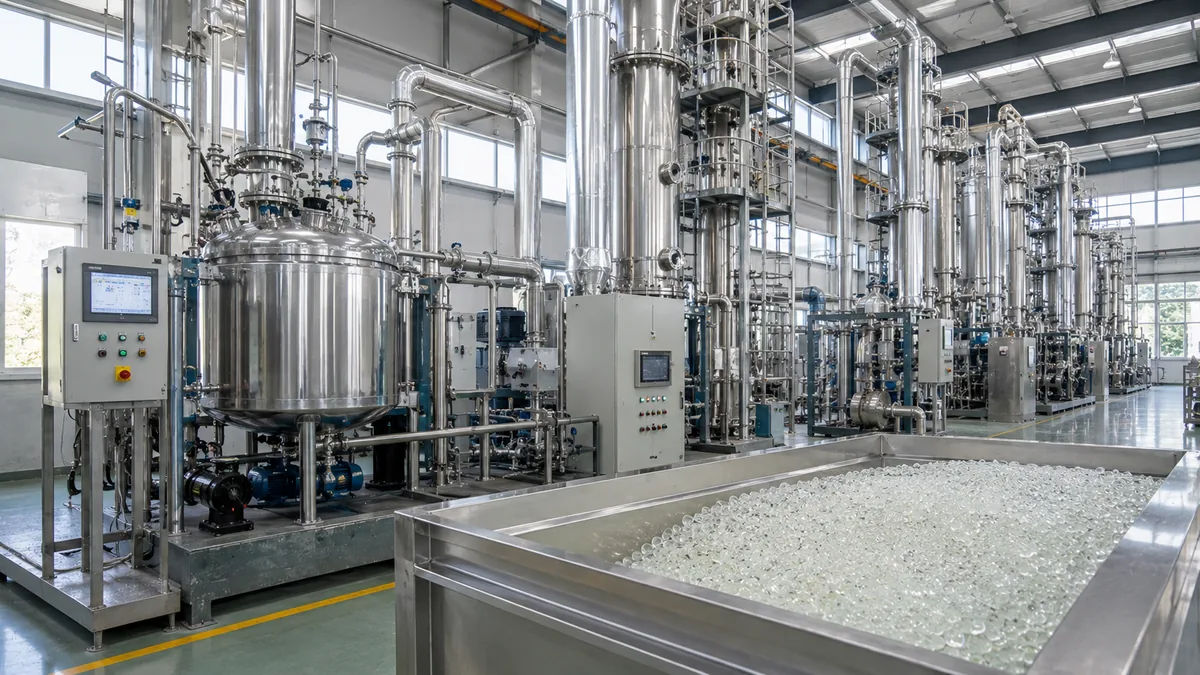
Silicone does not rot, does not melt and does not belong in the drain. That leaves people stuck with a phone case, a tube of sealant or a drum of spent fluid and no idea where it goes. The answer depends on what kind of silicone you have and how much. Small household amounts go one way. Factory volumes go another, and they are worth money. Here is the split.
The short version
- Cured silicone sealant or caulk: household general waste. It is inert. Do not put it in the plastics bin.
- Silicone moulds, bakeware, cases: reuse or donate first. At end of life, general waste for a household. A business with volume sends it to a recycler.
- Spent silicone oil or fluid: never down the drain, never on soil. An authorised recycler or waste handler takes it. Industrial volumes are recyclable.
- Uncured liquid silicone: cure it, then treat as solid. Follow the SDS for the uncured product.
- Silicone rubber scrap from production: do not landfill it. Sell it to a recycler. It becomes new silicone oil.
How to dispose of silicone sealant and caulk
Cured sealant is silicone rubber. It is stable and non-toxic once set, so small amounts from a home job go in general waste. Squeeze the last of a tube out onto card, let it cure, then bin the cured bead and recycle the empty cartridge if it is plain plastic. Uncured sealant is different. Acetoxy sealants release acetic acid while curing and the tube carries handling instructions. Let it cure before you throw it away. Contractors with cartons of tubes should talk to a waste handler, not a bin.
How to dispose of silicone moulds, bakeware and cases
First question: does it still work? Silicone lasts for years and a mould with one tear is still a mould. Reuse or donate it. When it is finished, a household has no recycling route. Kerbside collection does not take silicone, so it goes in general waste. That is a poor end for the material, and it is why the volume has to come from somewhere else: the factory that made it. Brands that sell silicone goods can run a take-back scheme and send the returns to a recycler with their production scrap, where the tonnes make it worth collecting. See is silicone recyclable for how the chemistry works.
How to dispose of silicone oil and spent fluid
Silicone oil is not biodegradable and it does not mix with water. A litre down a drain coats whatever it meets. Never pour it into drains, onto soil or into general waste. For a small quantity, a licensed waste contractor. For a plant with drums of spent process oil, release agent or defoamer residue, the right route is a silicone recycler. Spent fluid is feedstock. It is filtered, distilled and rebuilt into fresh PDMS. That turns a disposal fee into a sale. Keep the fluid in closed drums, label what it is and what contaminated it, and do not mix it with other oils. Mixed drums lose value fast.
How to dispose of liquid silicone (uncured)
Two-part liquid silicone rubber, RTV compounds and casting silicones are reactive until cured. The safe move is to mix and cure any leftover, then treat the cured block as solid silicone. Do not tip uncured components into a shared waste stream. Read the SDS for the product, it states the handling and disposal class for each part.
How to dispose of silicone rubber scrap from a factory
This is the one that costs money when it is done wrong. Flash, sprues, trim, rejects, gaskets, keypads and insulators are all cured silicone rubber, and a moulding line produces it every shift. Bagged and landfilled it is a fee. Sorted and sold it is revenue. A recycler needs to know the type (cured rubber, filled or unfilled), the contamination (metal inserts, other rubbers, oil) and the monthly volume. Clean, single-type scrap in tonnes is the easiest sale. Our guide on silicone scrap prices and who buys it covers what sets the value.
Compliance: under India's Hazardous and Other Wastes (Management and Transboundary Movement) Rules, 2016, spent oils and contaminated process waste move only through authorised handlers with the paperwork to match. A recycler's manifest is a stronger record for an audit than a landfill receipt, and recovered tonnage is a number you can put in an ESG report. Details in our EPR and compliance guide.
The rule of thumb
Grams: reuse, then general waste, never the drain. Kilos: a licensed handler. Tonnes: a recycler, and get paid for it. If you produce silicone waste in any regular volume, send us a photo and a monthly figure and we tell you what it is worth.
Frequently asked questions
Can silicone go in the recycling bin?
No. Kerbside recycling does not accept silicone. It is not a thermoplastic and it contaminates the plastics stream. Small household amounts go in general waste. Industrial volumes go to a dedicated silicone recycler.
How do I dispose of silicone sealant?
Let it cure fully, then put the cured silicone in general waste. Recycle the empty cartridge if it is plain plastic. Do not throw away uncured sealant, and follow the tube's instructions for acetoxy types that release acetic acid while curing.
How do I dispose of silicone oil?
Never pour silicone oil down a drain or onto soil. Small amounts go to a licensed waste contractor. Drums of spent industrial silicone fluid go to a silicone recycler, where the fluid is filtered, distilled and rebuilt into new PDMS.
Is silicone hazardous waste?
Cured silicone is inert and is not classed as hazardous. Spent silicone fluids and process residues contaminated with other chemicals can fall under India's Hazardous Waste Rules, 2016 and must move through authorised handlers. Check the SDS for the specific product.
Can a factory sell its silicone scrap?
Yes. Cured silicone rubber scrap, mould flash, rejects and spent fluid are feedstock for silicone recyclers. Clean, single-type material in regular volumes has the most value. EcoValley buys silicone waste from manufacturers across India.
Got silicone waste in volume? It is worth more than the landfill fee.
Send a photo of the material and your approximate monthly volume. We tell you whether it qualifies, what it is worth and how collection works.
Ask about your silicone waste